Export service
FMCG Export Logistics
How a load is planned, who arranges which leg, and what actually drives the timeline.
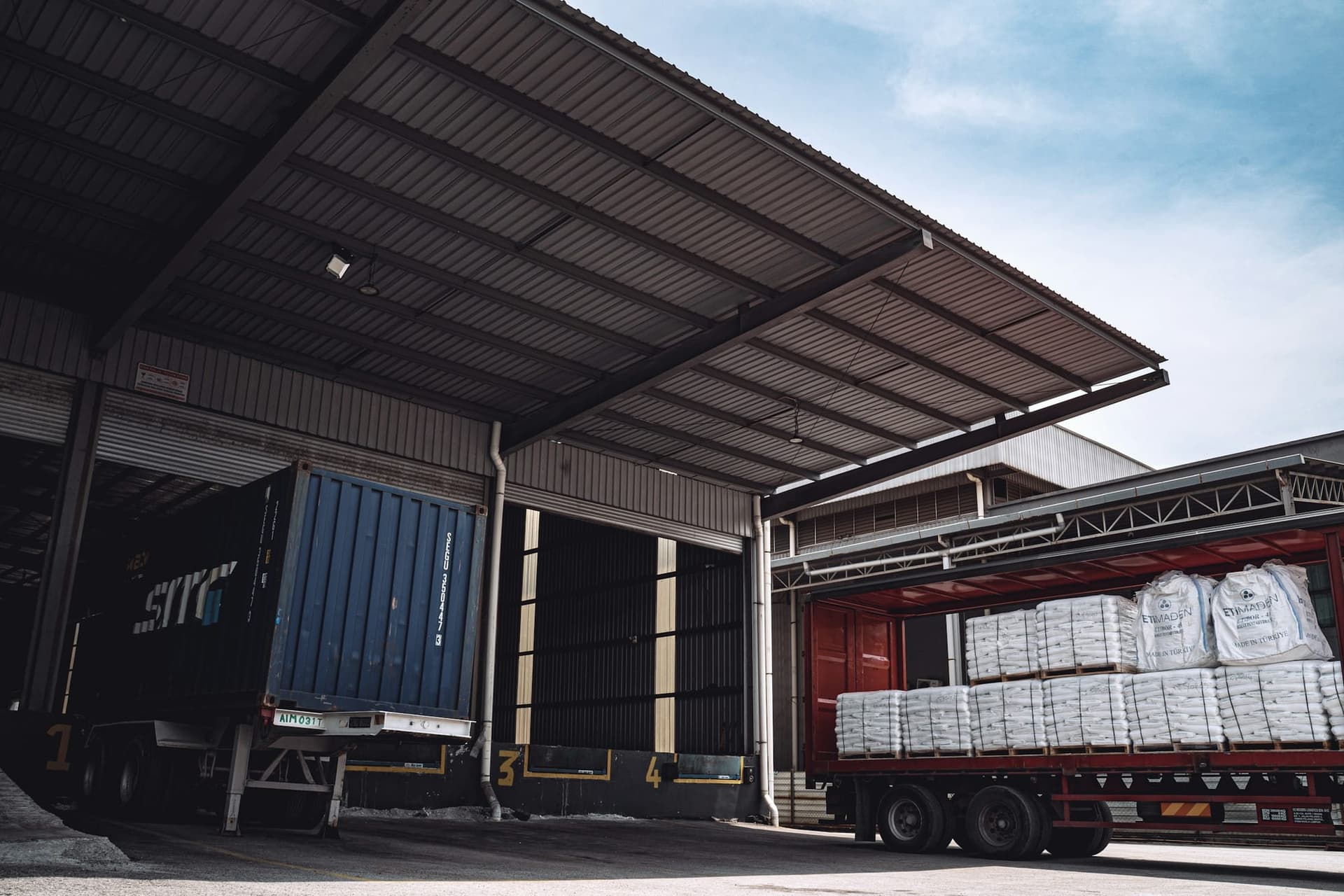
Load planning comes before freight
Freight is quoted against a load, so the load has to exist on paper first. We take the confirmed assortment, convert quantities into cartons, apply the real carton dimensions and weights, and work out pallet counts and how those pallets fit the container. Only then is there something a freight provider can price.
This is where most of the saving on a shipment is found, and it is arithmetic rather than negotiation. A container has a volume limit and a weight limit, and an assortment that reaches one while leaving the other far off is paying to move air or paying to move a part-empty box.
Freight modes and when each applies
| Mode | Typically used for |
|---|---|
| Sea | Intercontinental movements and anything at container volumes |
| Road | European destinations, and pre-carriage to the port |
| Air | Rarely for FMCG — the value-to-weight ratio seldom justifies it |
Air is worth stating plainly because it is often asked about. For most fast-moving consumer goods the freight cost per carton is out of proportion to the value of the goods, and a shipment that only works by air usually indicates the order size or the timing needs revisiting instead.
Who arranges what
This follows from the Incoterm rather than from preference, and it is worth settling early because it changes the quotation substantially.
| If the term is | We arrange | You arrange |
|---|---|---|
| EXW | Goods ready for collection | Everything from collection onward |
| FCA / FOB | Delivery to your carrier or on board; export side | Main carriage and everything after |
| CFR / CIF | Main carriage to the destination port | Import clearance and onward delivery |
| DAP | Transport to the agreed destination | Import clearance, duties and taxes |
Where we arrange freight we work with providers rather than operating vessels or vehicles ourselves, and the quotation states what is included and where responsibility transfers. Buyers with their own forwarder and negotiated rates frequently do better on FOB or FCA, and we are happy to load to their nomination.
What actually drives the timeline
We confirm an expected timeframe with each quotation rather than publishing a general figure, because a single number would not hold across products and destinations. What moves it is usually predictable:
- Whether every line is in stock, or something is being brought in for the order
- How much consolidation the assortment needs — a hundred-line mixed load is not a single-SKU pallet
- Sailing schedules and cut-off times on the route, which are not continuous
- Documentation that depends on a third party issuing it
- Clearance at destination, which is outside anyone’s control on the supply side
If a date genuinely matters — a tender, a seasonal window, a vessel you intend to catch — say so with the enquiry. It changes how the work is sequenced, and it is far more useful stated up front than discovered late.
Cargo insurance
Insurance and freight are not the same thing, and the Incoterm decides whether cover is included. CFR includes freight but not insurance. CIF includes insurance, but at a minimum level unless something broader is agreed explicitly. Under most other terms, cover is yours to arrange.
Risk in the goods can also pass at a different point from cost. Under CFR and CIF the seller pays to the destination port while risk transfers at loading — so damage mid-voyage is the buyer’s loss even on a leg the seller paid for. Worth checking rather than assuming.
Common questions
- Can I use my own freight forwarder?
- Yes, and many buyers do. On FCA or FOB terms we prepare and load to your nomination and hand over at the agreed point. Tell us the forwarder and the terms with the enquiry so the quotation is built on the right basis.
- How long will my shipment take?
- We confirm an expected timeframe with each quotation. Publishing a general figure would be misleading — it depends on the lines ordered, how much consolidation is involved, the route and its sailing schedule, and clearance at destination.
- Do you operate your own vehicles or vessels?
- No. We coordinate shipments and work with freight providers. We do not own a fleet, operate vessels or maintain scheduled services, and we would not claim otherwise.
- Is insurance included?
- Only under terms that include it, and then at the level those terms require. CIF includes insurance at a minimum level unless more is agreed; CFR does not include it at all. If your goods or your route warrant broader cover, agree it explicitly rather than assuming the term provides it.
Discuss your shipment
Tell us your destination port and preferred Incoterm. We will plan the load and quote the freight against it.