Order format
Full Container Loads
Complete loads for established programmes, where volume has grown past what pallets economically serve.
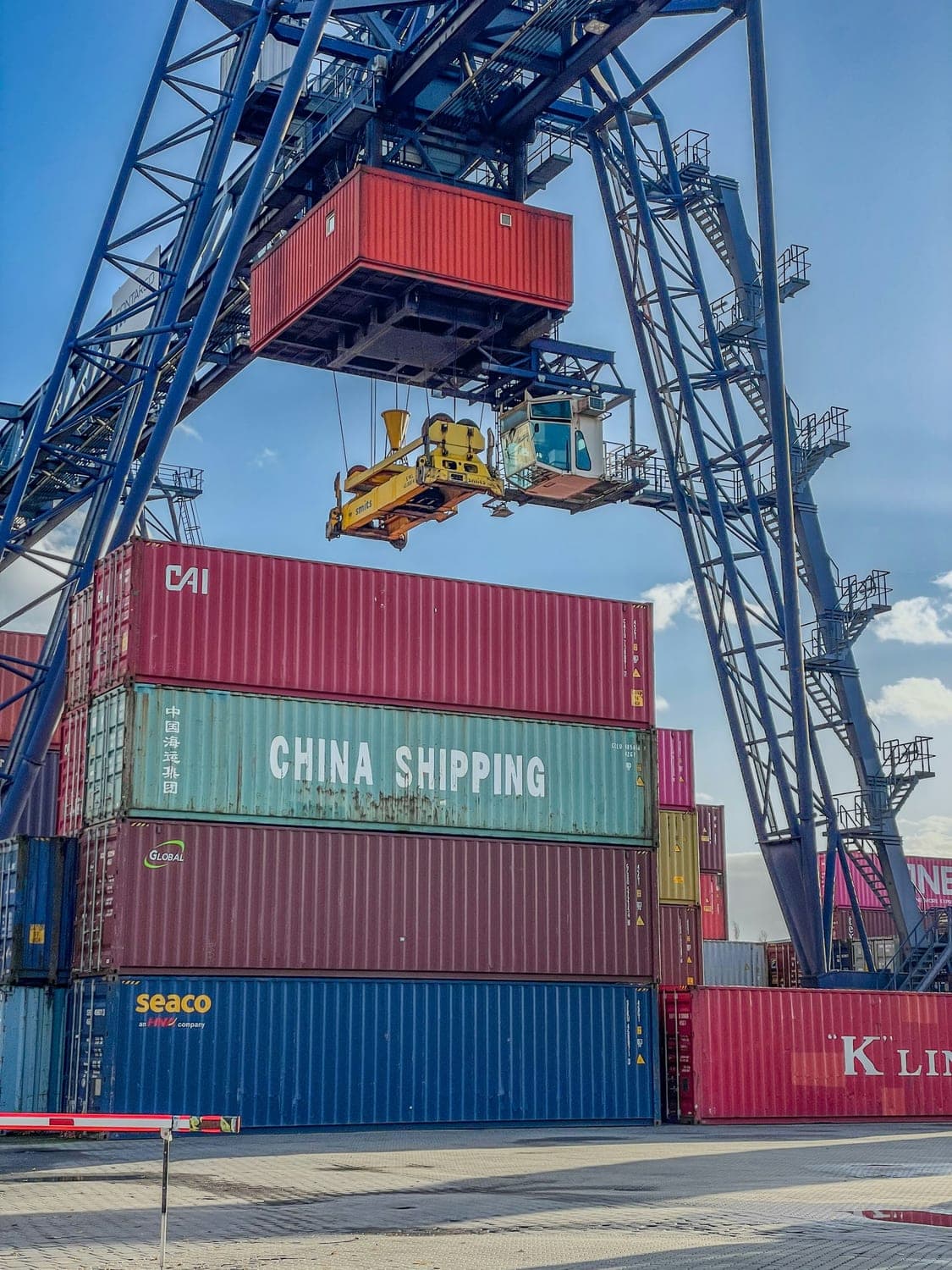
What changes at full-load volume
A full container is the cheapest way to move goods per carton, and the step up in order size is significant. The freight cost of a container barely changes whether it is full or three-quarters full, so utilisation stops being an optimisation and becomes the main commercial lever.
The other change is planning horizon. A container is bought against forecast rather than against last month, which means the order has to survive contact with demand that has not happened yet.
Single-SKU or consolidated
A full container load does not have to mean a container of one product. Two shapes are common and they suit different buyers.
| Single-SKU load | Consolidated full load | |
|---|---|---|
| Contents | One product, or one product family | A planned assortment across brands and categories |
| Suits | A proven high-rotation line | A buyer who needs range at full-load economics |
| Risk | Concentrated in one line | Spread across the assortment |
| Handling | Minimal — picked and loaded as one | Consolidation work before loading |
Most buyers who reach container volume without a single dominant line take the consolidated route. It is the same freight economics without committing a whole container to one product that has to sell.
Planning the load
Every container has two ceilings — how much space it has and how much weight it may legally carry — and FMCG assortments hit them very differently. Liquids and canned goods reach the weight limit while space remains; snacks, tissue and cereals fill the space long before weight matters.
| Container | Typically chosen when |
|---|---|
| 20ft | The assortment is dense enough to reach the weight limit early |
| 40ft | A broad mixed assortment of average density |
| 40ft high cube | Light, bulky lines where extra height converts into cartons |
Worth checking before you commit
- Can you sell through a container within the shortest shelf life in the assortment?
- Does your receiving operation have the space and labour to take a full load at once?
- Is the working capital tied up for the selling cycle acceptable?
- Would two smaller shipments cost more in freight but less in stock risk?
Freight savings do not help if stock sits. For food and personal care in particular, dated shelf life means a container that takes too long to sell through can arrive commercially usable and become unusable on your own shelf.
Common questions
- Does a full container have to be one product?
- No. A full load can be a planned assortment across brands and categories — it is the container that is full, not the SKU count that is one. That is the more common shape for buyers who need range.
- Which container size should I choose?
- It follows from the assortment rather than from preference. Dense lines reach the weight limit early and suit a 20ft; light bulky lines convert the extra height of a 40HC into more cartons. We plan it against your list before quoting.
- Can I split a container across two destinations?
- That is a routing question rather than a loading one, and the answer depends on the destinations and the Incoterm. Raise it with the enquiry, because it changes how the load is planned as well as how it is quoted.
Plan a full container load
Send your assortment and destination. We will plan the load against volume and weight before quoting.