Order format
Mixed FMCG Pallets
Several products consolidated onto one pallet, so a broad range does not require a full pallet of every line.
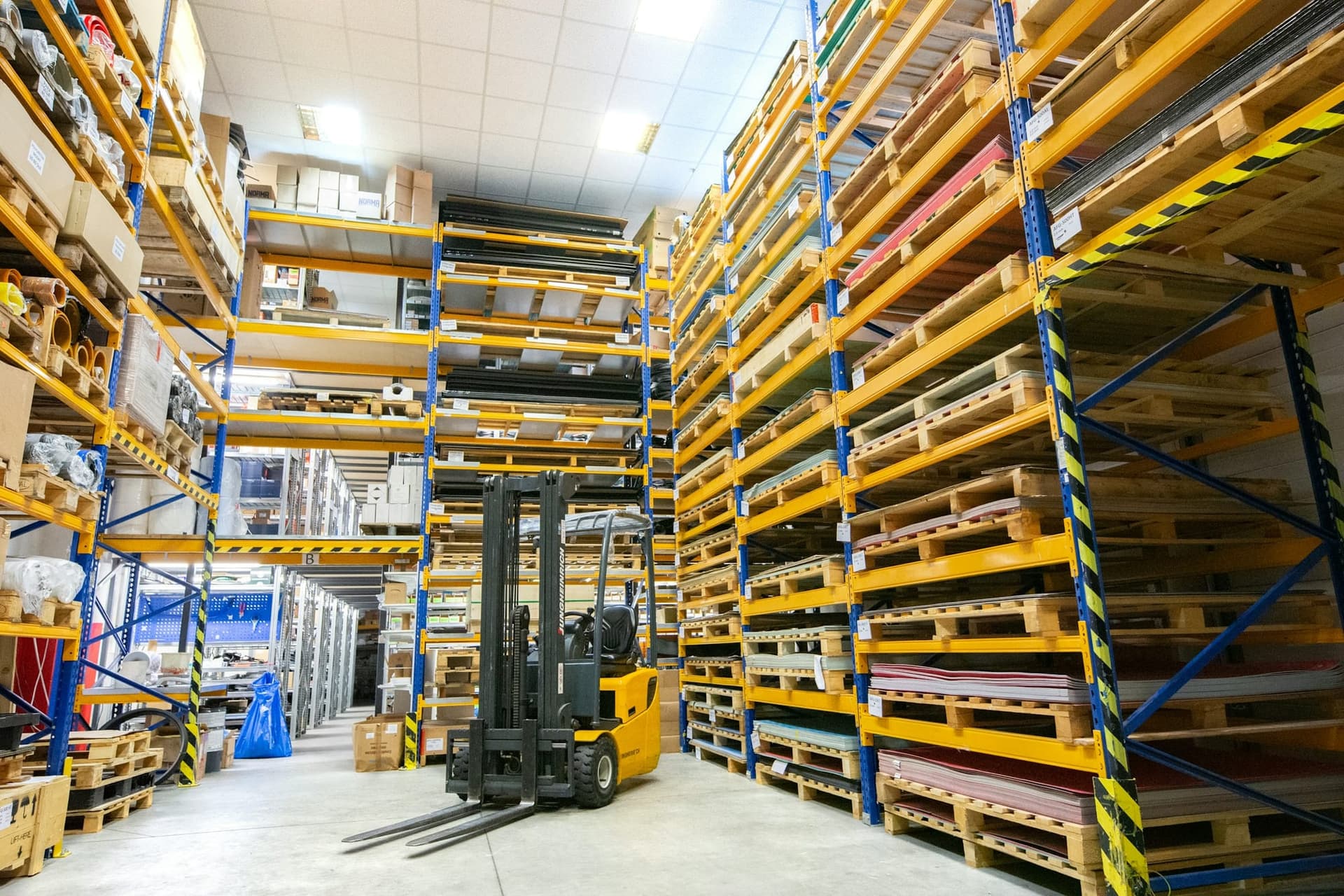
What a mixed pallet actually is
A mixed pallet carries cartons of several different products, built and wrapped as one handling unit. It is the smallest format in which a buyer can take genuine range: rather than a full pallet each of four products, you take a working quantity of twelve and receive them as one unit.
It exists because assortment and volume pull in opposite directions. A retailer or wholesaler needs breadth to serve a shelf; a full pallet per line delivers depth nobody asked for. The mixed pallet is the compromise, and for most first orders it is the right one.
How a mixed pallet is built
Building one is a physical problem before it is a commercial one. Cartons are not interchangeable bricks: they have footprints, weights and stacking strength, and a pallet has to arrive intact.
- Quantities are converted from units into cartons, because cartons are what stack.
- Heavy and rigid cartons are placed on the base layers.
- Lighter and crushable lines go above them, never underneath.
- Layers are squared off so the load does not overhang the pallet edge.
- The pallet is wrapped, labelled and recorded on the packing list per SKU.
How much fits, and what to ask for
There is no fixed carton count for a mixed pallet, because it depends entirely on what is on it. A pallet of tissue and a pallet of canned goods hold very different quantities and very different weights, and the useful question is not how many cartons fit but whether the assortment you want makes a viable pallet.
- Give quantities in cartons where you know them — it is the unit everything downstream uses
- Say whether mixed variants of a line are acceptable; it often unlocks a smaller quantity per variant
- Tell us the pallet footprint your operation needs, and whether you operate exchange
- Flag any maximum pallet height your racking or your doors impose
Minimums are set per product rather than per pallet, so a line with a carton-level minimum and a line that only moves by the layer can still travel on the same pallet.
When a mixed pallet is the right format
| Situation | Usually the right call |
|---|---|
| Trialling several new lines | Mixed pallet |
| One line selling reliably at volume | Full pallet of that line |
| Broad range, container-scale volume | Mixed container |
| Topping up a range between larger orders | Mixed pallet |
| Short shelf-life lines you cannot hold long | Mixed pallet, ordered more often |
The trade-off is handling. Consolidating several SKUs onto one pallet takes picking work a full-pallet order does not, and freight per carton is higher than a container. For a trial assortment that is usually worth paying.
Common questions
- How many products can go on one mixed pallet?
- It depends on the cartons rather than on a rule. A pallet of small, light cartons can carry many lines; a few bulky ones will fill it. Send the list you have in mind and we will tell you what makes a workable pallet.
- Can I order a single mixed pallet?
- Often yes, particularly within Europe where it can move by road as groupage. Whether it works commercially depends on the destination — freight per carton rises sharply on small consignments, so for distant markets a single pallet may not be economic.
- Do you deliver on EUR pallets?
- Tell us which footprint your operation needs. It affects how cartons stack and therefore how much travels, so it is confirmed at quotation rather than assumed.
Build a mixed pallet
Send the products and quantities you want. We will confirm what makes a workable pallet and how it would ship.