Enquiry basis
Private Label & Custom Brand Enquiries
Assessed case by case. There is no standing programme, and we would rather tell you a project is not viable than take it on and disappoint you.
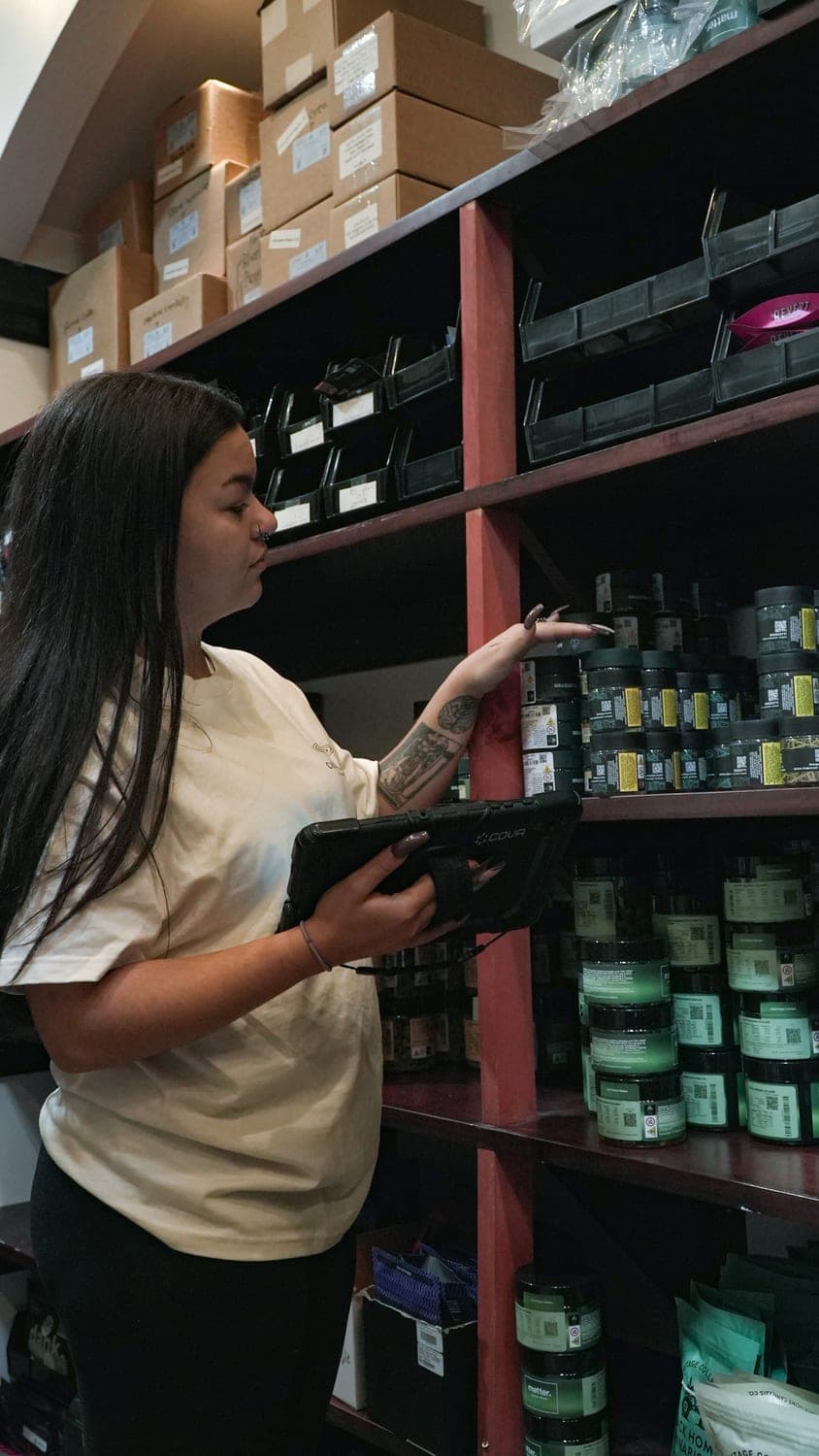
What we are and are not offering
Plenty of suppliers advertise a private label service as though it were a shelf product. We do not run a standing programme, and saying otherwise would set an expectation we could not reliably meet.
What we can do is assess an enquiry against what can actually be sourced, and respond on feasibility. Sometimes that answer is yes with conditions; sometimes it is that the volumes proposed will not carry a project of that kind. Both are more useful than an enthusiastic maybe.
What makes a project feasible
Feasibility is decided mostly by production economics rather than by willingness. A few factors carry most of the weight.
| Factor | Why it matters |
|---|---|
| Volume | Production runs have minimums set by the manufacturer, not by us |
| Category | Some categories have far more contract capacity than others |
| Specification | A standard formulation is far more workable than a bespoke one |
| Packaging | Custom tooling or artwork carries setup cost and lead time |
| Destination rules | Labelling and registration requirements shape what is producible |
| Timeline | Artwork, samples and first production take longer than buyers expect |
The single most common reason a project does not proceed is volume: the quantity that makes commercial sense for a buyer testing a own-brand line is often below the quantity a producer will run.
What to send with an enquiry
- The product category, and a comparable existing product if there is one.
- The specification you need — and which parts are firm rather than preferred.
- Target volumes for a first run, and what you expect annually if it works.
- Destination market, since labelling and registration bear on what is producible.
- Whether you have artwork and packaging design, or would need that arranged.
- Your timeline, and whether it is driven by a fixed date.
A partial enquiry is still worth sending. It is faster to fill two gaps in a real brief than to start from a blank one — but volume and category are the two we cannot assess anything without.
If private label is not the answer
Buyers often arrive at private label for a reason that a branded assortment would also solve — margin, differentiation, or filling a gap a supplier will not serve. Where a project is not viable at your volumes, it is worth saying whether one of those is the real goal.
A multi-brand assortment reaches a shelf far faster than an own-brand line, and at volumes that a first-time programme can actually carry. It is not the same thing, but for some of the reasons buyers ask, it is the better answer.
Common questions
- Do you offer private label manufacturing?
- We do not run a standing private label programme and we do not operate manufacturing. What we do is assess an enquiry against what can be sourced and respond on feasibility, including telling you when a project is not viable at the volumes proposed.
- What minimum volume is needed?
- It depends entirely on the category and the specification, and it is set by whoever would produce it rather than by us — so any figure published here would be invented. Send the category and your target volumes and we will tell you whether it is in a workable range.
- How long would a project take?
- Longer than most buyers expect. Artwork, samples, approval and first production each take time, and a bespoke specification adds more. We would give you a realistic view for your specific project rather than a general figure that would not hold.
Discuss a private label project
Send your category, specification and target volumes. We will respond on feasibility — including if the answer is no.