 Wholesale Buying
Europe · FMCG wholesale & distribution
FMCG Wholesale Distribution Across Europe
Pallet-level supply by road from Bobigny to distributors, wholesalers and retail groups across European markets.
- B2B only
- Wholesale quantities
- Mixed shipments
- International export
- France-based operation
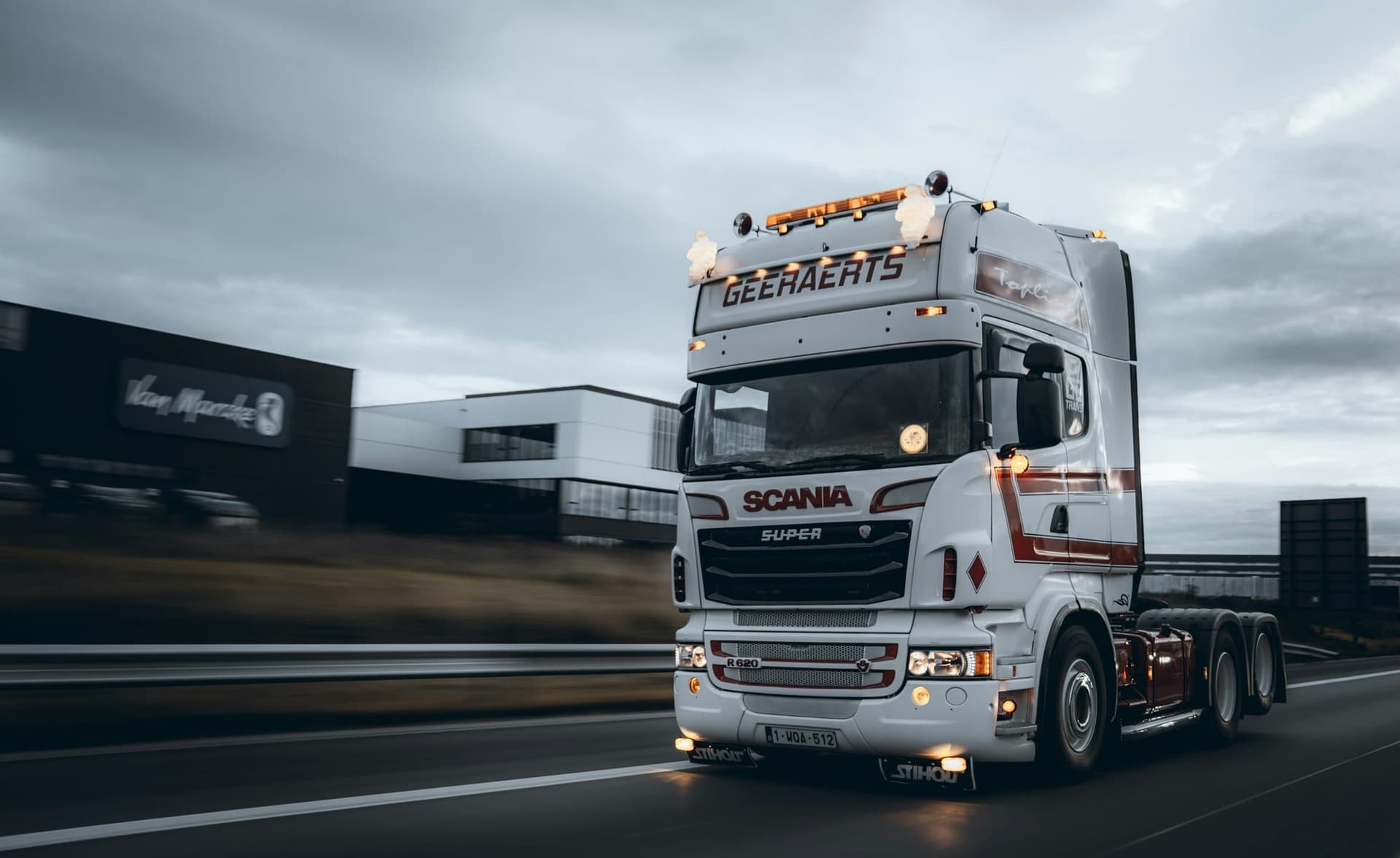
Europe is not an export market for us — it is the market we operate in. Supply moves by road rather than by sea, which changes almost everything about how an order is planned: the unit is the pallet rather than the container, lead times are measured in days rather than weeks, and a buyer can reorder frequently instead of committing to a load that has to last a quarter.
That suits a different commercial pattern. European buyers tend to replenish against known demand rather than build a standing assortment, and they can take a narrower, deeper order because the freight economics do not punish them for it.
Order formats
Ways an order can ship
Minimum quantities are set per product and confirmed at quotation — they vary by line and packaging format, so there is no single catalogue figure.
- Mixed palletsSeveral products consolidated onto one pallet — the usual starting format.
- Full palletsA single product filling a complete pallet, for lines with proven turnover.
- Mixed containersA planned multi-brand assortment in a 20ft, 40ft or 40HC.
- Full container loadsComplete loads, single-SKU or consolidated across the catalogue.
Product range
FMCG categories for Europe
Six core categories, all of which can be combined into a single consolidated shipment.
Logistics
Road freight and pallet distribution
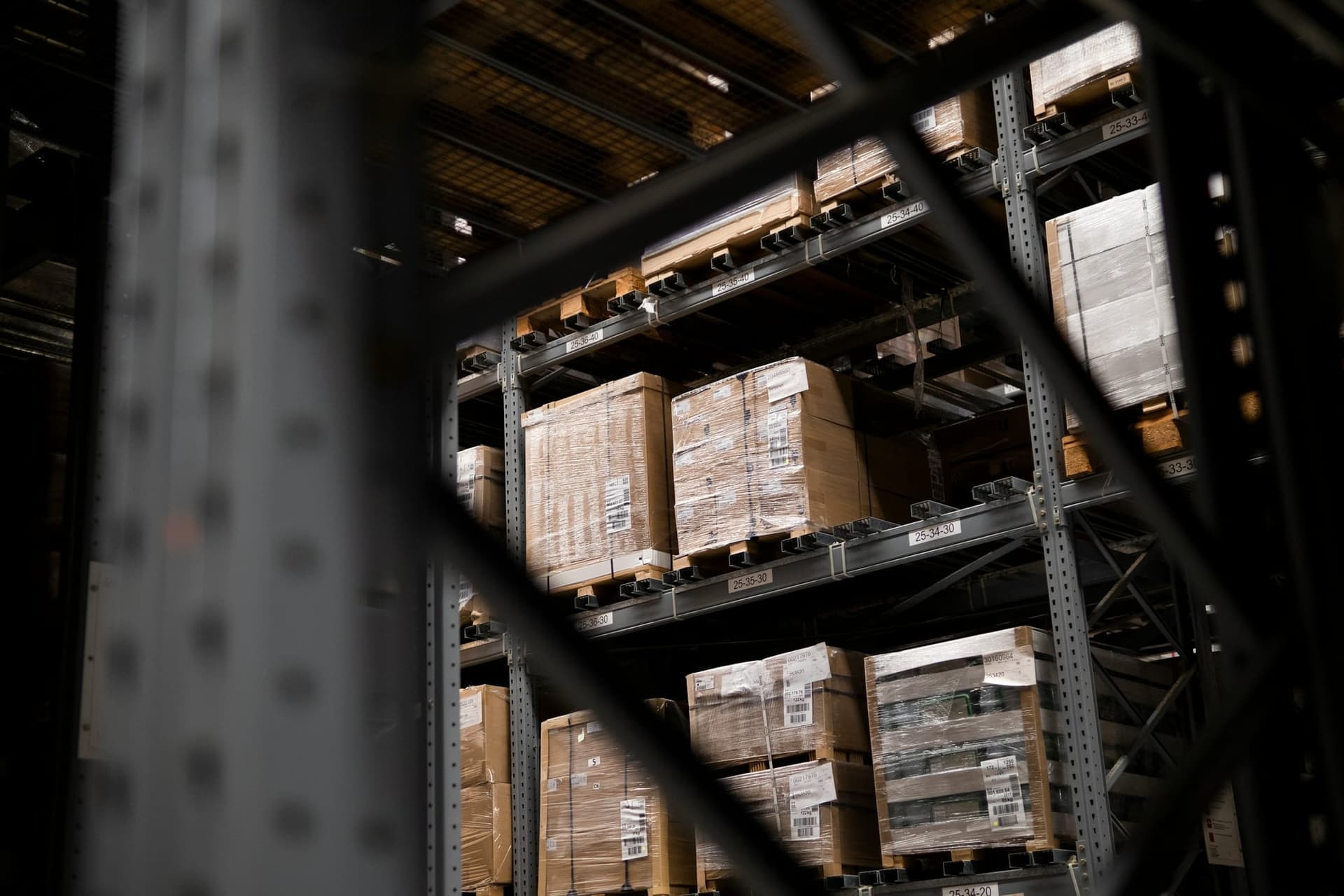
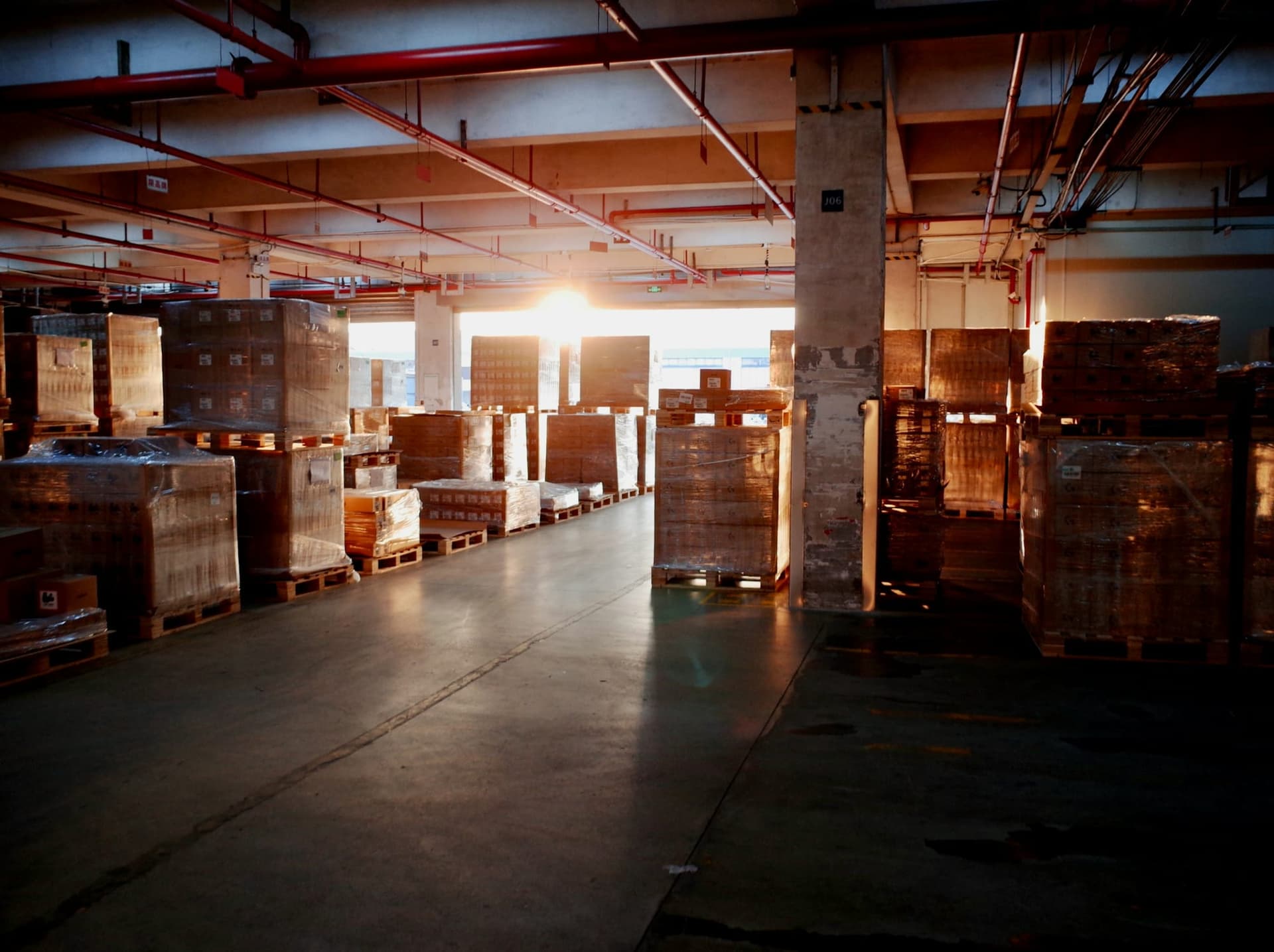
Movements within Europe go by road, which makes the pallet the working unit. Orders are picked and consolidated at pallet level, wrapped and labelled, then despatched on either a groupage service — sharing a vehicle with other consignments — or a dedicated load where the volume justifies it.
Pallet footprint matters more than buyers expect. The EUR/EPAL pallet at 1200 x 800 mm and the industrial pallet at 1200 x 1000 mm load differently and suit different receiving operations. If your warehouse requires one of them, say so with the enquiry rather than after despatch.
- Mixed pallets across several SKUs, or full pallets of a single line
- Groupage for smaller consignments, dedicated loads where volume justifies it
- EUR/EPAL and industrial pallet footprints — confirm which your operation needs
- CMR documentation for road movements, prepared with the consignment
Who we serve
Professional buyers in Europe
Descriptions reflect how each buyer type typically operates in this region.
Distributors
Supplying retail and foodservice networks, usually replenishing against measured sell-through.
Wholesalers
Buying pallet quantities for onward sale to independent retail and trade customers.
Retail groups
Central purchasing for supermarket and convenience estates, with specification and labelling requirements set centrally.
Cash & carry
High-rotation lines in depth, where delivery frequency matters as much as price.
Importers
Buyers assembling ranges that include goods from outside Europe, sourced through one supplier rather than several.
Speciality and ethnic retail
Buyers sourcing international lines for a defined customer base, typically in mixed pallets across many SKUs.
Regional breakdown
Buyer markets across Europe
We supply professional buyers across these markets from France. None of this describes an office, agent or warehouse outside Bobigny.
France
Our operating market. Shortest lead times and the most flexibility on order size, since a delivery does not have to cross a border or wait for a consolidation slot.
France
Western Europe
Well-served by road from the Paris region, with dense retail and wholesale structures. Buyers here often take mixed pallets to fill gaps in an existing range rather than to build one from scratch.
BelgiumNetherlandsGermanyLuxembourg
Southern Europe
Longer road legs, so consolidating into fuller loads matters more than it does for neighbouring markets. Assortments frequently include lines aimed at diaspora and speciality retail channels.
SpainPortugalItaly
Northern Europe
Enquiries accepted where the assortment and quantity make a road movement viable. Distance means part-pallet orders rarely work commercially.
DenmarkSweden
Eastern Europe
Buyer enquiries accepted subject to availability, logistics and destination requirements. Some destinations sit outside the single market, which changes the documentation involved.
PolandRomaniaCzechia
Markets listed are examples of destinations where buyer enquiries are accepted. They do not indicate a local presence, and they are not a coverage guarantee.
Consolidation
Mixed FMCG shipments
Products from several brands and categories combined into one planned load, so assortment breadth does not require a shipment per supplier.
- Multiple brands in one shipment
- Multiple categories in one shipment
- Mixed pallets and mixed containers
- Full container loads where volume justifies it
- Quoted to your destination on an agreed Incoterm
Product origin
Where the goods actually come from
K.Distribution is based in France. Product origin varies by SKU and may include France, other European markets, Vietnam, Thailand and other sourcing markets. Company location is not product origin, and we never infer one from the other.
Where origin is confirmed for a product it is recorded against that product. Where it is not confirmed, we say so rather than guess — a wrong origin declaration causes far more difficulty at the border than an honest gap.
Company location ≠ product origin
We ship from France to Europe. That says nothing about where any individual product was manufactured, and destination duty treatment usually depends on the latter.
K.Distribution10 rue Eugène Hénaff
93000 Bobigny
France
Destination requirements
Intra-community supply and documentation
Movements between EU member states are intra-community supplies rather than exports, so there is no customs clearance at the border and no import duty within the union. What replaces it is VAT handling: a valid intra-community VAT number on both sides, and the reverse-charge treatment that follows from it.
Destinations outside the EU, including within Europe, are exports and carry the customs formalities that go with that. Which category a movement falls into is worth settling before pricing, because it changes the paperwork and the VAT treatment.
- Intra-community movements need a valid VAT number on both sides
- No customs clearance or import duty between EU member states
- Non-EU European destinations are exports and clear customs normally
- EU labelling rules apply to consumer goods sold within the union
- Language requirements for consumer information vary by member state
Why us
Why buyers supplying Europe work with K.Distribution
Pallet-level ordering
Order in mixed or full pallets rather than committing to container quantities.
Shorter replenishment cycles
Road movements turn around faster than sea freight, so stock cover can run tighter.
One supplier, many brands
Fill gaps across categories from a single order instead of one per manufacturer.
France-based operation
Commercial coordination from Bobigny in the Paris region, inside the single market.
K.Distribution is an independent wholesaler and exporter. We are not an authorised, official or exclusive distributor of the brands we supply, and we are not affiliated with or endorsed by their owners. All trademarks are the property of their respective owners.
Buyer resources
Guides relevant to this market
Chosen for what actually matters when supplying this region.
- Wholesale Buying
 Logistics
Mixed Pallet, Full Pallet or Container: Choosing an Order Format
The three order formats, what each is good for, and how freight cost per carton changes between them.4 min readRead guide Wholesale Buying
How to Request an FMCG Wholesale Quote
The details that let a supplier quote accurately first time, and why each one changes the answer.3 min readRead guide
Questions
Supplying Europe: common questions
- Can you supply mixed pallets within Europe?
- Yes, and it is the most common format for European buyers. Several SKUs are consolidated onto one pallet, which lets you take a workable quantity of many lines rather than a full pallet of each. Minimums are per product and confirmed at quotation, since a pallet of tissue and a pallet of canned goods hold very different carton counts.
- Can I combine brands from different categories in one shipment?
- Yes. Food, beverages, confectionery, personal care and home care can be combined. The practical constraints are physical rather than commercial — heavy cartons planned below light ones, and strongly scented products kept away from lightly packed food.
- Do you charge import duty on EU deliveries?
- No. Movements between EU member states are intra-community supplies with no customs clearance and no import duty. What is needed is a valid intra-community VAT number on both sides. Destinations outside the EU are handled as exports and clear customs in the normal way.
- How quickly can a European order be despatched?
- It depends on the lines, the quantities and current stock position, so we confirm it against your actual list rather than publishing a lead time. Road movements are considerably faster than sea freight, which is the main reason European buyers can hold less cover.
Product availability, packaging, origin, documentation and destination eligibility can vary by SKU and market. Final requirements are confirmed during quotation and order review.
Source FMCG Products for European Distribution
Send us your product list, quantities and delivery country. We will confirm availability and prepare a commercial quotation.
K.Distribution supplies from Bobigny, France. Europe markets are destinations we quote and ship to, not locations where we hold stock.