Mixed Shipments
How Mixed FMCG Containers Work
How buyers combine multiple products, brands and categories into one consolidated shipment — and how quantities, palletisation and freight planning shape the final load.
3 min read
Why buyers use mixed containers
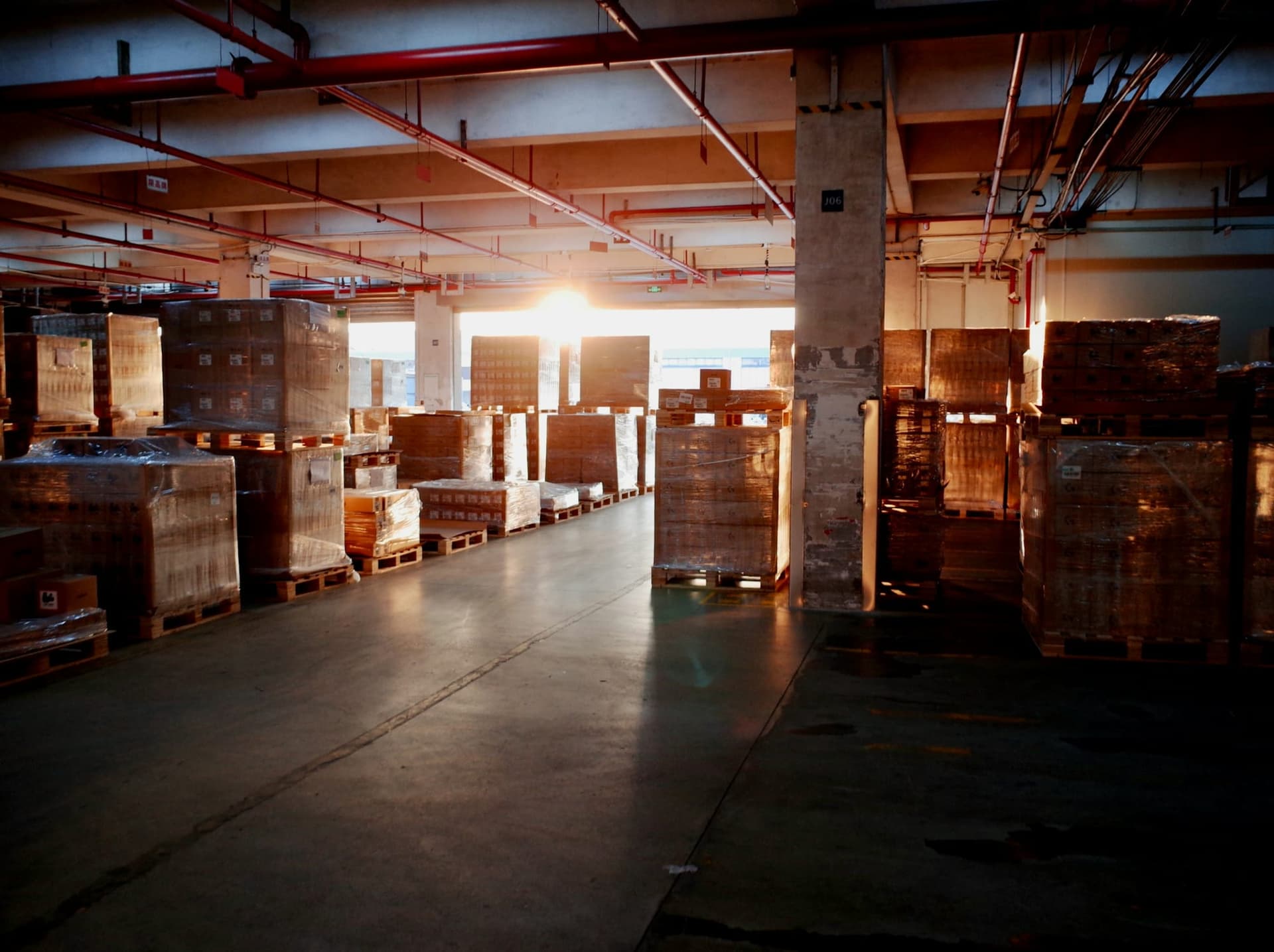
A full container of a single product only makes sense when you can sell that product in container volumes. For most importers and distributors building an assortment, that is rarely true: you might want a pallet of instant noodles, half a pallet of shampoo and a few hundred cartons of confectionery. Buying each of those as a separate shipment means paying freight several times over.
A mixed container solves that. One container is loaded with an assortment planned across brands and categories, so you reach full-load freight economics without committing to full-load quantities of any one line.
- Assortment breadth without single-SKU volume commitments
- One shipment, one set of documents, one arrival to receive
- Freight cost spread across the whole load rather than per product
- A practical way to trial new lines alongside proven sellers
Combining brands and categories
There is no technical reason a container cannot hold food, beverages, personal care and home care together. The constraints are commercial and regulatory rather than physical.
Two things do need attention. First, some product types should not travel adjacent to others — strongly scented home-care products next to unpackaged food, for example. Second, different categories can attract different duty treatment and different destination requirements, so a mixed load can need more documentation than a single-category one.
Carton quantities and pallet planning
Wholesale quantities are counted in cartons, not units. Each SKU has a fixed number of units per carton, and cartons are the smallest quantity that can be picked without breaking a pack. From there, cartons are stacked onto pallets according to their footprint and height.
This is why an order list expressed in units is hard to quote and an order list expressed in cartons is easy. If you know the units per carton for the lines you want, you already have most of what a quotation needs.
- Units per carton is fixed per SKU and set by the manufacturer
- Cartons per pallet layer depends on carton footprint
- Pallet height is limited by the container and by stacking strength
- Minimum quantities are set per SKU — there is no single catalogue-wide figure
Weight against volume
Every container has two limits: how much space it has and how much weight it may legally carry. FMCG assortments hit these limits very differently. Liquids — detergents, sauces, drinks — are dense and reach the weight limit while space remains. Snacks, tissue and cereals are light and bulky, and fill the space long before the weight matters.
A well-planned mixed load balances the two, pairing dense lines with light ones so the container is close to full on both measures. A load that is all liquids reaches its weight ceiling with the container visibly half empty, and you pay to ship air.
| Assortment | Limit reached first | Practical effect |
|---|---|---|
| Mostly liquids and canned goods | Weight | Container looks part-full at maximum payload |
| Mostly snacks, tissue, cereals | Volume | Container full, well under the weight limit |
| Balanced dense and light lines | Both, roughly together | Best freight value per carton |
Container sizes and utilisation
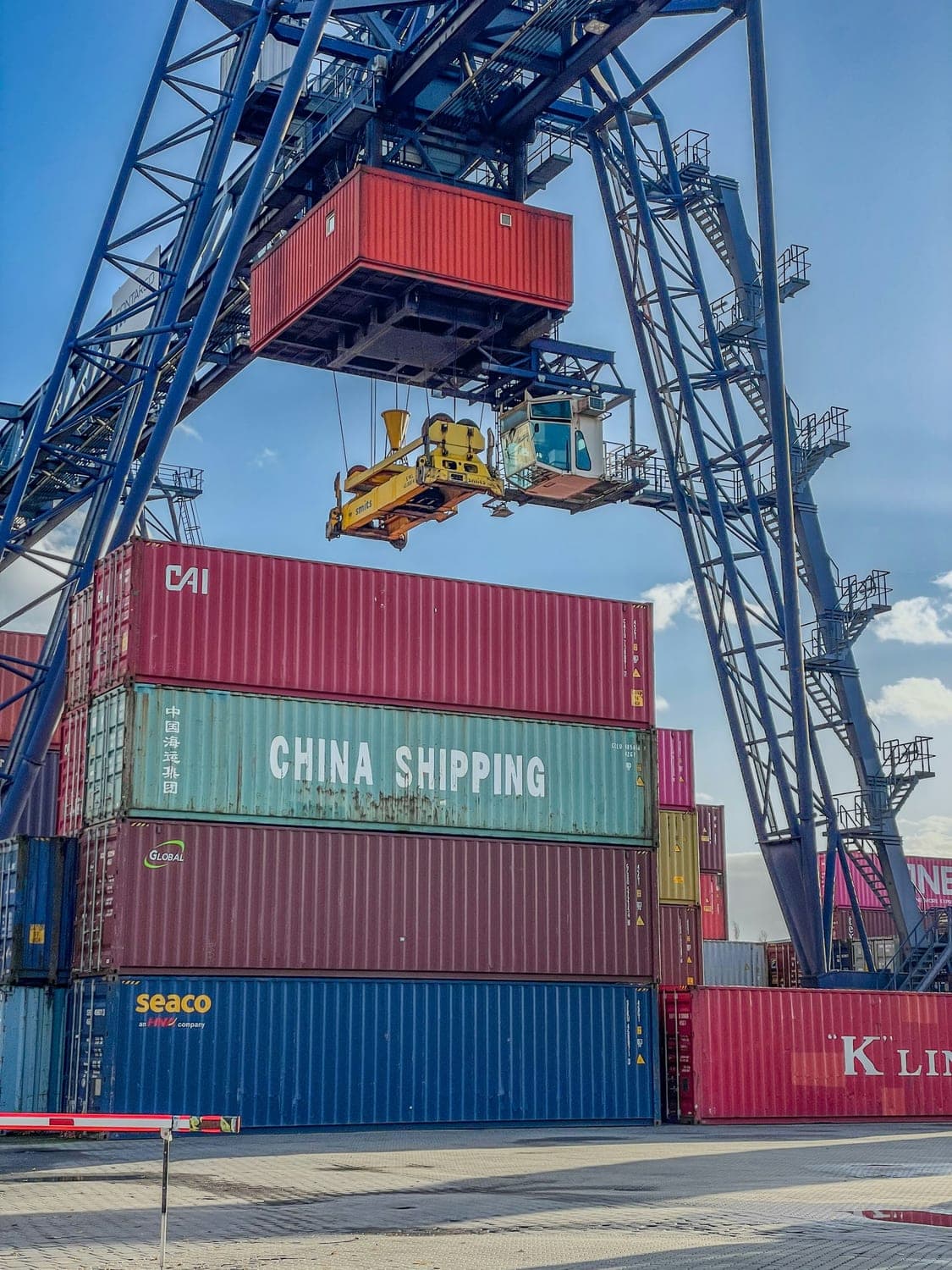
Three container types cover most FMCG movements. The right one depends on the volume and density of the assortment, not on preference.
| Container | Typical use |
|---|---|
| 20ft | Smaller assortments, or dense loads that reach the weight limit early |
| 40ft | The common choice for a broad mixed assortment |
| 40ft high cube | Light, bulky assortments where the extra height converts directly into more cartons |
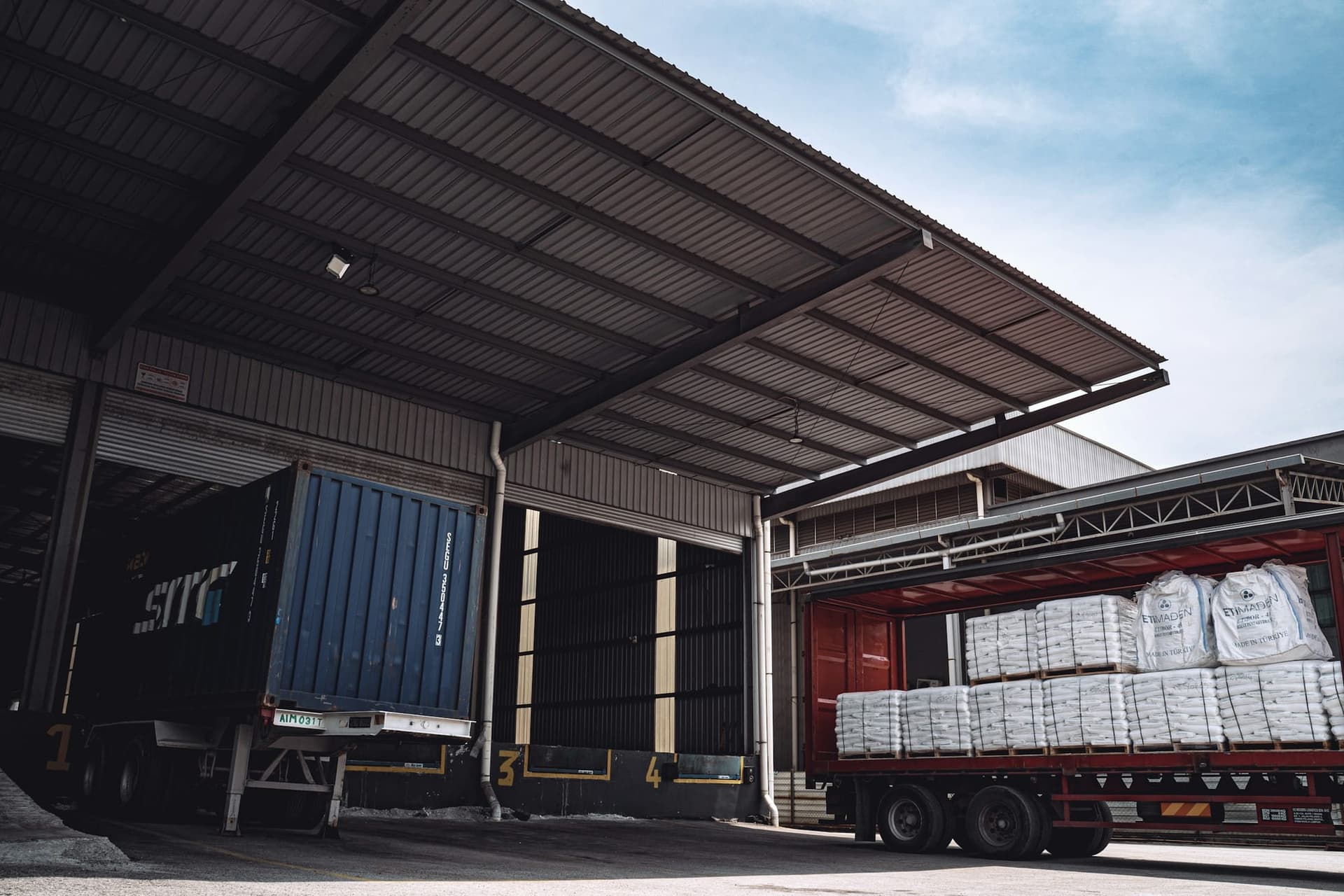
Loading is planned against the actual carton dimensions of the assortment, so the space is used rather than approximated. That planning is part of preparing the quotation, not an afterthought at the loading bay.
From assortment to quotation
Pricing depends on what is in the load, how much of each line, where it is going and on what Incoterm. That is why a mixed container is quoted rather than priced from a list — the same assortment to two destinations is two different numbers.
Plan your mixed container
Tell us the products, quantities and destination. We will confirm availability, what fits and how it loads.