Mixed Shipments
FMCG Consolidation Explained
How combining brands and categories into one planned load works in practice — and what carton dimensions and load planning have to do with it.
3 min read
What consolidation actually means
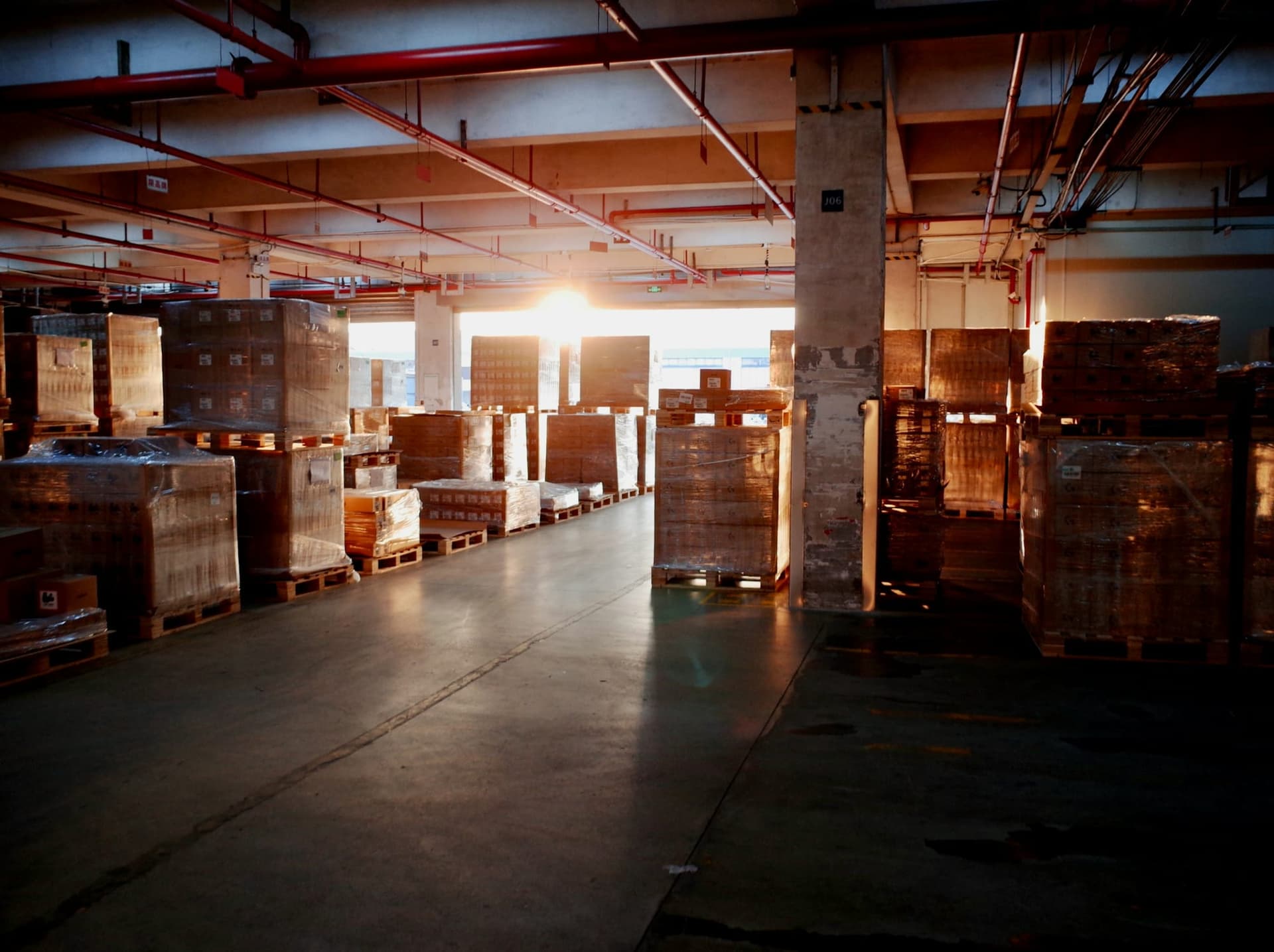
Consolidation is the practice of combining goods from different sources into a single planned shipment. In FMCG wholesale it usually means combining products across brands and categories so a buyer can receive a broad assortment as one delivery rather than many.
It is worth separating from simple grouping. Putting several products in one box is grouping. Consolidation is planning the load so that the assortment, the palletisation and the container capacity all work together.
Combining brands and categories
A buyer sourcing directly from manufacturers deals with each one separately: separate minimums, separate lead times, separate shipments. The assortment breadth that a retail customer expects is difficult to assemble that way without holding a great deal of stock.
Sourcing across brands through one supplier changes that arithmetic. The assortment is assembled before it ships, so what arrives is a range rather than a series of single-brand deliveries to be reconciled.
Carton dimensions and load planning
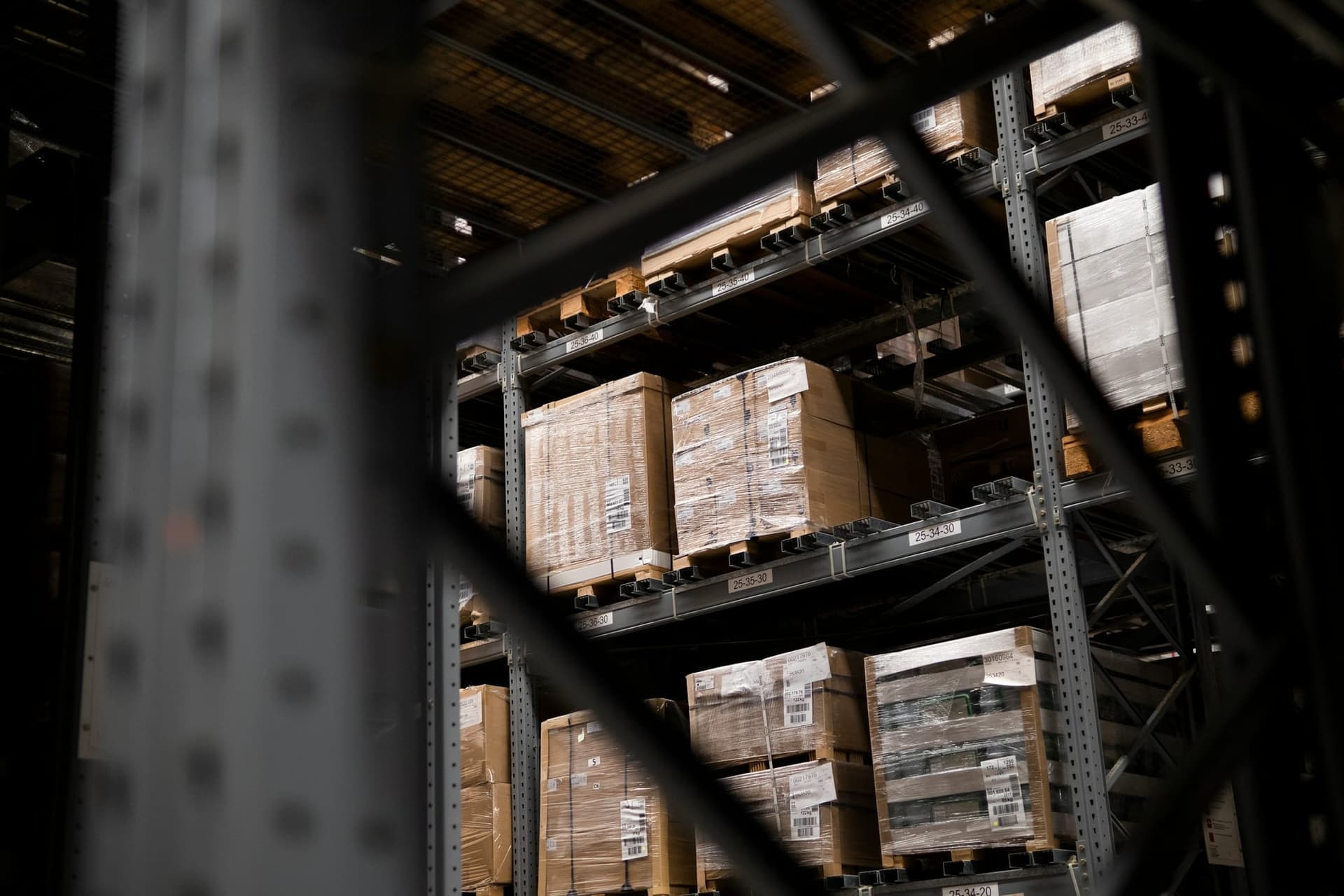
Load planning is a physical problem before it is a commercial one. Each SKU has a carton with fixed dimensions and weight. Those determine how many cartons fit a pallet layer, how many layers a pallet takes before it becomes unstable or exceeds height limits, and how many pallets fit the container.
- Carton footprint sets how many fit per pallet layer
- Carton weight and stacking strength set how high the pallet can go
- Pallet height is capped by container internal height
- Heavy lines are placed low; light and crushable lines travel above them
Planned properly, the same assortment can occupy meaningfully less space than it would if simply stacked in the order it was picked.
Avoiding unnecessary full-SKU loads
The clearest benefit is what consolidation lets a buyer avoid. Without it, reaching full-load freight economics means buying a full load of something — which usually means over-buying one line to make the freight work.
With consolidation, the load is filled with goods you actually intend to sell, in the proportions you intend to sell them. The freight economics come from the load being full, not from any single line being large.
How a consolidated order is actually assembled
Consolidation is a sequence of decisions, and most of them happen before anything is picked.
- The assortment is confirmed line by line — availability, pack format and quantity for each SKU.
- Quantities are converted from units into cartons, because cartons are what actually stack.
- Carton dimensions and weights are applied to work out pallet layers and pallet counts.
- The load is planned against container capacity, balancing dense lines against light ones.
- Any shortfall or overflow is resolved with the buyer — adding volume, or trimming a line.
- Goods are picked, palletised, wrapped and labelled to the plan.
- Documentation is prepared against the finished load, not the original enquiry.
Step five is the one buyers most often do not expect. A first assortment rarely fills a container exactly, and the useful conversation is which lines to adjust — not whether to ship a part-empty container.
What to watch for
Consolidation introduces failure modes that single-product orders do not have, and all of them are cheaper to catch during planning.
- Mixed shelf life — a short-dated line inside a long-dated load reaches its limit while the rest is still saleable
- Incompatible neighbours — strongly scented products stored against unpackaged or lightly packed food
- Crush risk — heavy cartons planned above light ones, which shows up as damage on arrival
- Documentation spread — more categories can mean more origin lines and more certificates
- Partial availability — one line short can change the whole load plan if it was carrying the weight balance
Receiving a consolidated load
A mixed load takes longer to check in than a single-product one, because every pallet holds several SKUs and each has to be reconciled against the packing list. It is worth planning that time rather than discovering it at the door.
This is where a packing list earns its place. A clear one — cartons per SKU, per pallet, with weights — turns receiving into a checklist. A vague one turns it into an inventory count.
Consolidate your next order
Send the brands and categories you want to combine. We will confirm what can travel together and how it loads.