 Mixed Shipments
Africa · FMCG wholesale & export
FMCG Wholesale Supply & Export to Africa
Consolidated multi-brand FMCG shipped from France to importers, distributors, wholesalers and cash & carry operators across African markets.
- B2B only
- Wholesale quantities
- Mixed shipments
- International export
- France-based operation
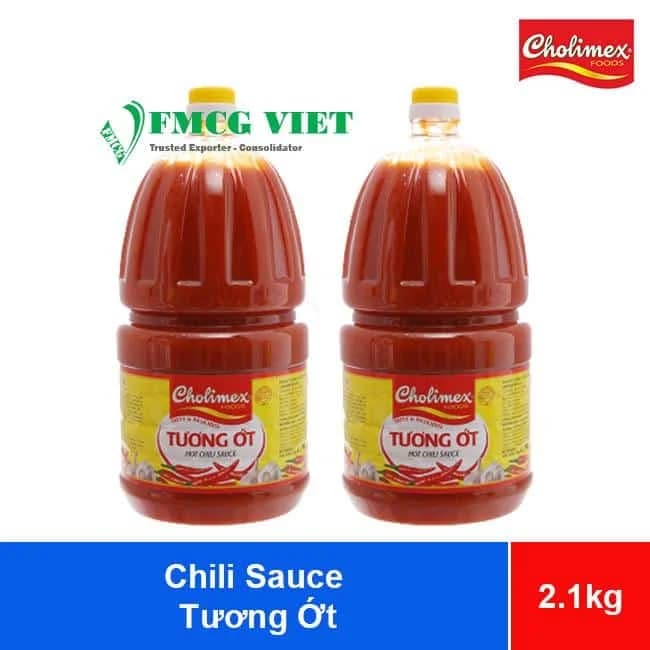
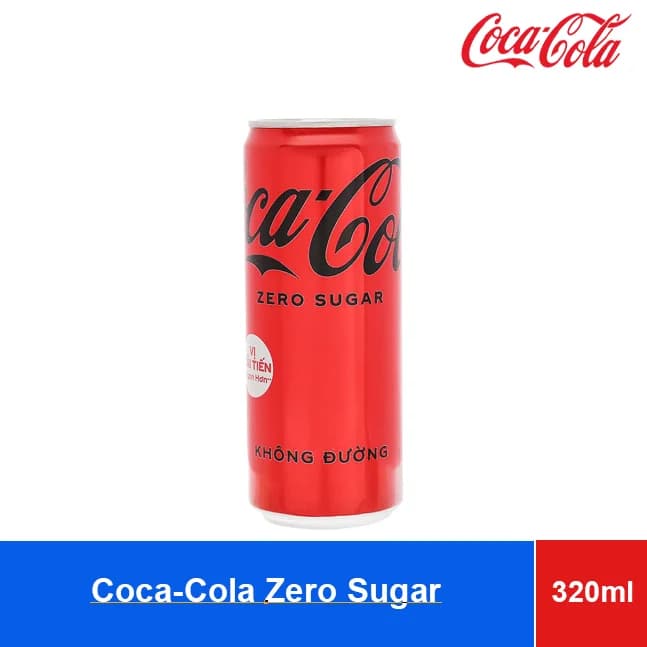
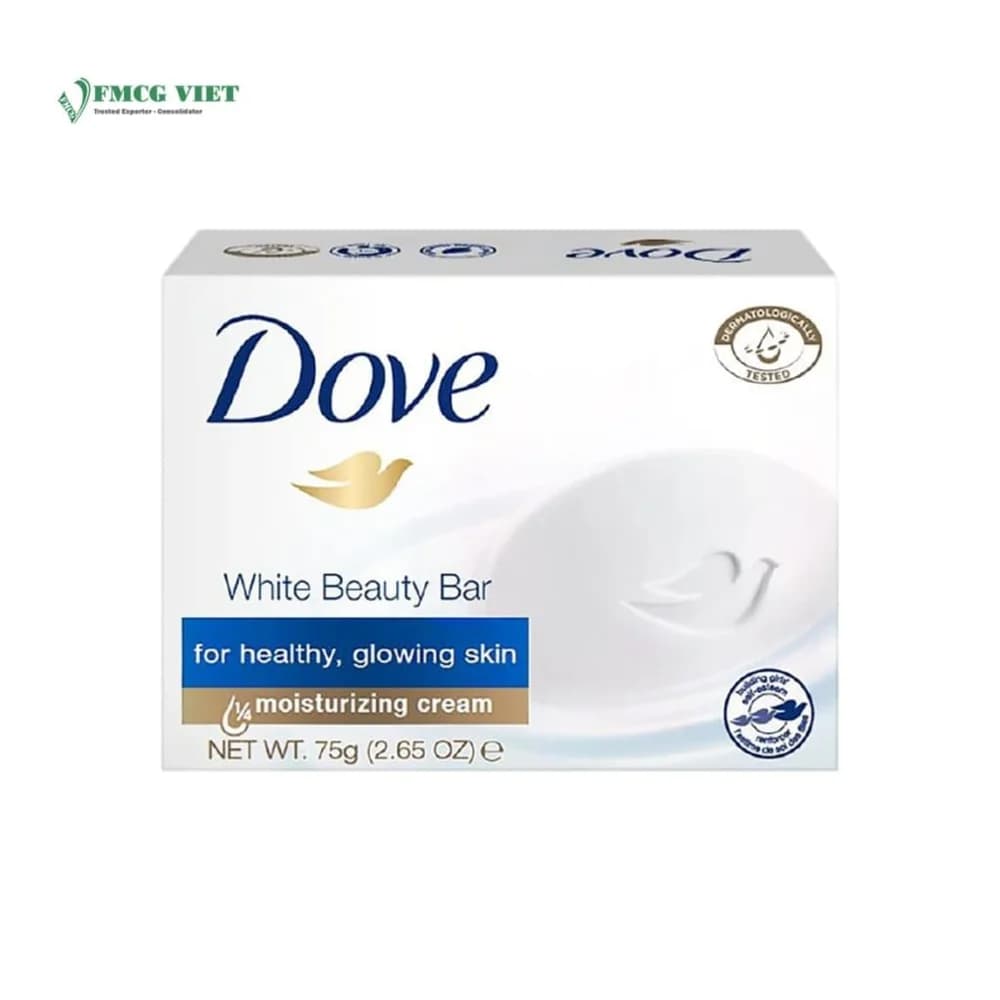
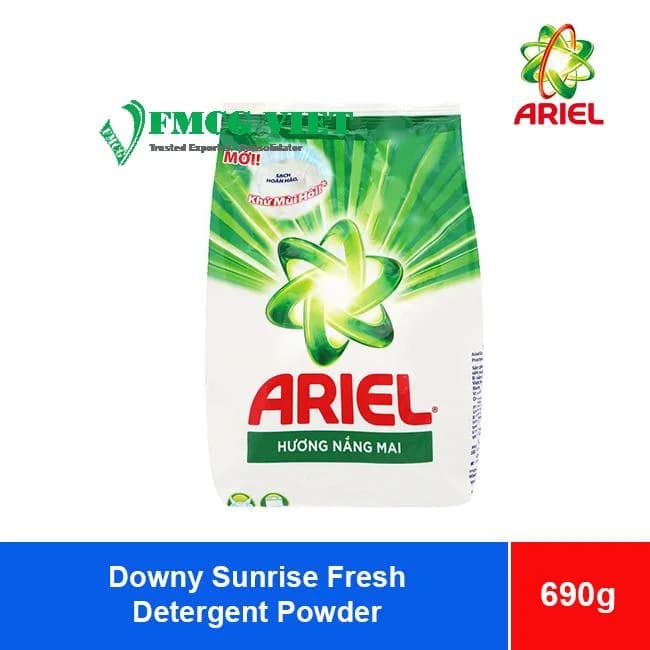
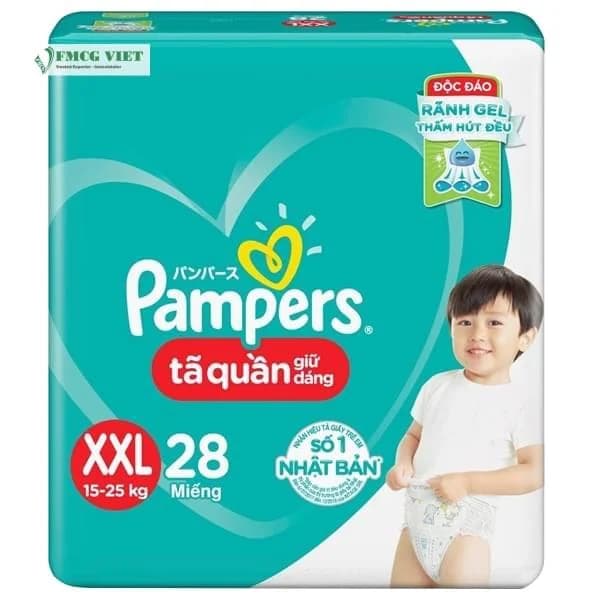
African FMCG buyers are usually assembling an assortment rather than restocking a single line. An importer supplying a wholesale network, or a cash & carry operator covering a broad basket, needs range across food, beverages, confectionery, personal care and home care — and needs it to arrive as one shipment rather than as a dozen separate ones each carrying its own freight.
That makes the mixed container the natural format here, and it is what most enquiries from the region end up as. The commercial question is rarely "what does this product cost" and almost always "what can we fit, to which port, and at what landed cost".
Consolidation
Mixed FMCG shipments
Products from several brands and categories combined into one planned load, so assortment breadth does not require a shipment per supplier.
- Multiple brands in one shipment
- Multiple categories in one shipment
- Mixed pallets and mixed containers
- Full container loads where volume justifies it
- Quoted to your destination on an agreed Incoterm
Product range
FMCG categories for Africa
Six core categories, all of which can be combined into a single consolidated shipment.
Regional breakdown
Buyer markets across the continent
Requirements differ sharply between these groupings — in port infrastructure, in duty treatment and in what documentation an importer is asked for. We accept enquiries from professional buyers across them; none of this describes a local presence.
West Africa
The most active grouping for consolidated FMCG. Buyers are typically importers supplying wholesale networks, and orders tend toward broad assortments in full containers. Several markets in the region operate pre-shipment conformity programmes, which affect documentation and timing rather than the goods themselves.
GhanaSenegalCôte d'IvoireNigeria
Central Africa
French is widely used commercially, which simplifies documentation and product labelling for European-origin goods. Volumes per shipment are often smaller than West Africa, so mixed containers and part-load consolidation matter more.
CameroonGabonCongo region
East Africa
Buyers frequently route through a regional hub port and move inland, so inland haulage and clearance timing weigh more heavily on the landed cost than the sea leg. Assortments skew toward shelf-stable food and personal care.
KenyaTanzaniaUganda
Southern Africa
More developed retail structures and more established local manufacturing, so imported assortments tend to be narrower and more specific — filling gaps in a range rather than supplying it wholesale.
South AfricaAngola
Markets listed are examples of destinations where buyer enquiries are accepted. They do not indicate a local presence, and they are not a coverage guarantee.
Who we serve
Professional buyers in Africa
Descriptions reflect how each buyer type typically operates in this region.
Importers
Bringing in multi-brand containers and selling on to wholesale networks. Usually the buyer type that sets the assortment.
National distributors
Supplying retail and trade across a country, often with their own field sales and warehousing.
Wholesalers
Buying in container or pallet quantities for onward sale to independent retail.
Cash & carry
High-rotation basics in depth — the buyer type most sensitive to landed cost per carton.
Supermarket groups
Central purchasing for organised retail, typically with tighter specification and labelling requirements.
Regional traders
Sourcing across borders within a region, where documentation for onward movement matters as much as for import.
Logistics
Sea freight and container economics
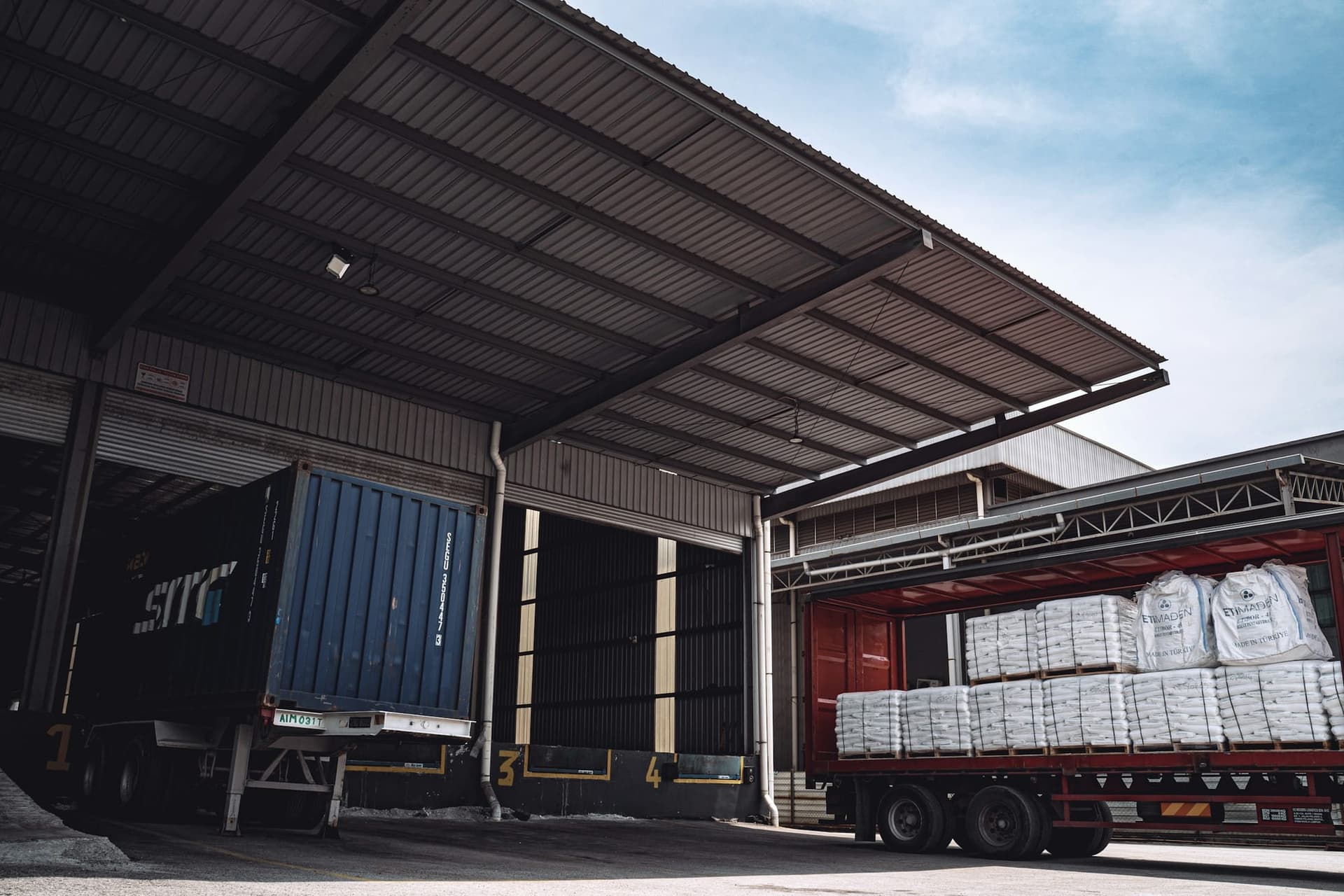
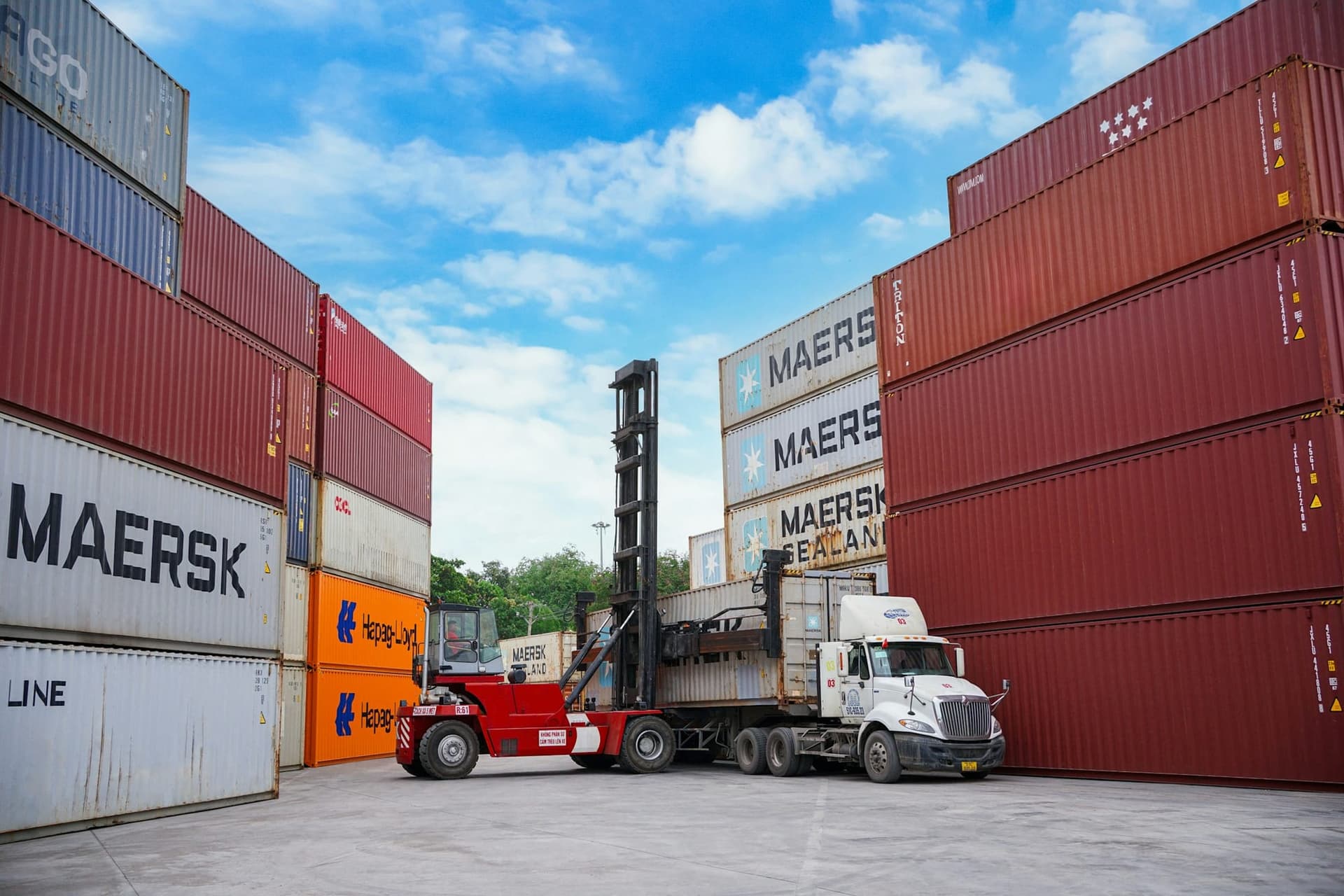
Supply to African markets moves by sea, and freight is a large enough share of landed cost that how well a container is planned changes the commercial answer. A container filled with dense product reaches its weight limit while visibly part-empty; one filled with light product fills up long before the weight matters. Planning the assortment against both limits is the difference between paying to ship goods and paying to ship air.
Quotations are prepared to a named destination port on an agreed Incoterm. We coordinate the shipment and work with freight providers on routing; we do not operate vessels or maintain scheduled services of our own.
- Mixed containers planned against carton dimensions and weight, not estimated
- Dense and light lines balanced so both container limits are approached together
- 20ft, 40ft and 40ft high cube quoted according to the assortment
- Freight quoted per shipment — rates move, so a figure is only valid for its quotation
Shipments may be quoted to major ports such as the following, depending on product, routing and destination. These are routing examples, not scheduled services.
TemaDakarAbidjanDoualaApapaMombasaDar es Salaam
Order formats
Ways an order can ship
Minimum quantities are set per product and confirmed at quotation — they vary by line and packaging format, so there is no single catalogue figure.
- Mixed palletsSeveral products consolidated onto one pallet — the usual starting format.
- Full palletsA single product filling a complete pallet, for lines with proven turnover.
- Mixed containersA planned multi-brand assortment in a 20ft, 40ft or 40HC.
- Full container loadsComplete loads, single-SKU or consolidated across the catalogue.
Product origin
Where the goods actually come from
K.Distribution is based in France. Product origin varies by SKU and may include France, other European markets, Vietnam, Thailand and other sourcing markets. Company location is not product origin, and we never infer one from the other.
Where origin is confirmed for a product it is recorded against that product. Where it is not confirmed, we say so rather than guess — a wrong origin declaration causes far more difficulty at the border than an honest gap.
Company location ≠ product origin
We ship from France to Africa. That says nothing about where any individual product was manufactured, and destination duty treatment usually depends on the latter.
K.Distribution10 rue Eugène Hénaff
93000 Bobigny
France
Destination requirements
Destination requirements
Import requirements differ substantially between African markets and change over time. Several operate conformity assessment or pre-shipment inspection programmes, and some require product registration before goods arrive. Which apply depends on the destination and the product category.
We prepare the export documentation we are able to supply and will say plainly where we cannot supply something a market requires. Import permits, product registration, destination labelling and customs clearance remain the buyer’s responsibility.
- Conformity or pre-shipment inspection programmes apply in some markets
- Product registration may be required before shipment in some destinations
- Labelling language requirements vary — French, English or both by market
- Duty treatment varies by origin, so proof of origin can change the landed cost
- Shelf life remaining on arrival is a commercial as well as a regulatory question
Why us
Why buyers supplying Africa work with K.Distribution
Assortment in one container
Brands and categories combined into a single planned load, so range does not require a shipment per supplier.
Quoted to your port
Freight assessed to the named destination port on the Incoterm you work with.
Load planned, not estimated
Carton dimensions and weights applied so the container is used rather than approximated.
Multi-origin supply
European and Asian sourcing in the same assortment where the products justify it.
K.Distribution is an independent wholesaler and exporter. We are not an authorised, official or exclusive distributor of the brands we supply, and we are not affiliated with or endorsed by their owners. All trademarks are the property of their respective owners.
Buyer resources
Guides relevant to this market
Chosen for what actually matters when supplying this region.
- Mixed Shipments
- Mixed Shipments
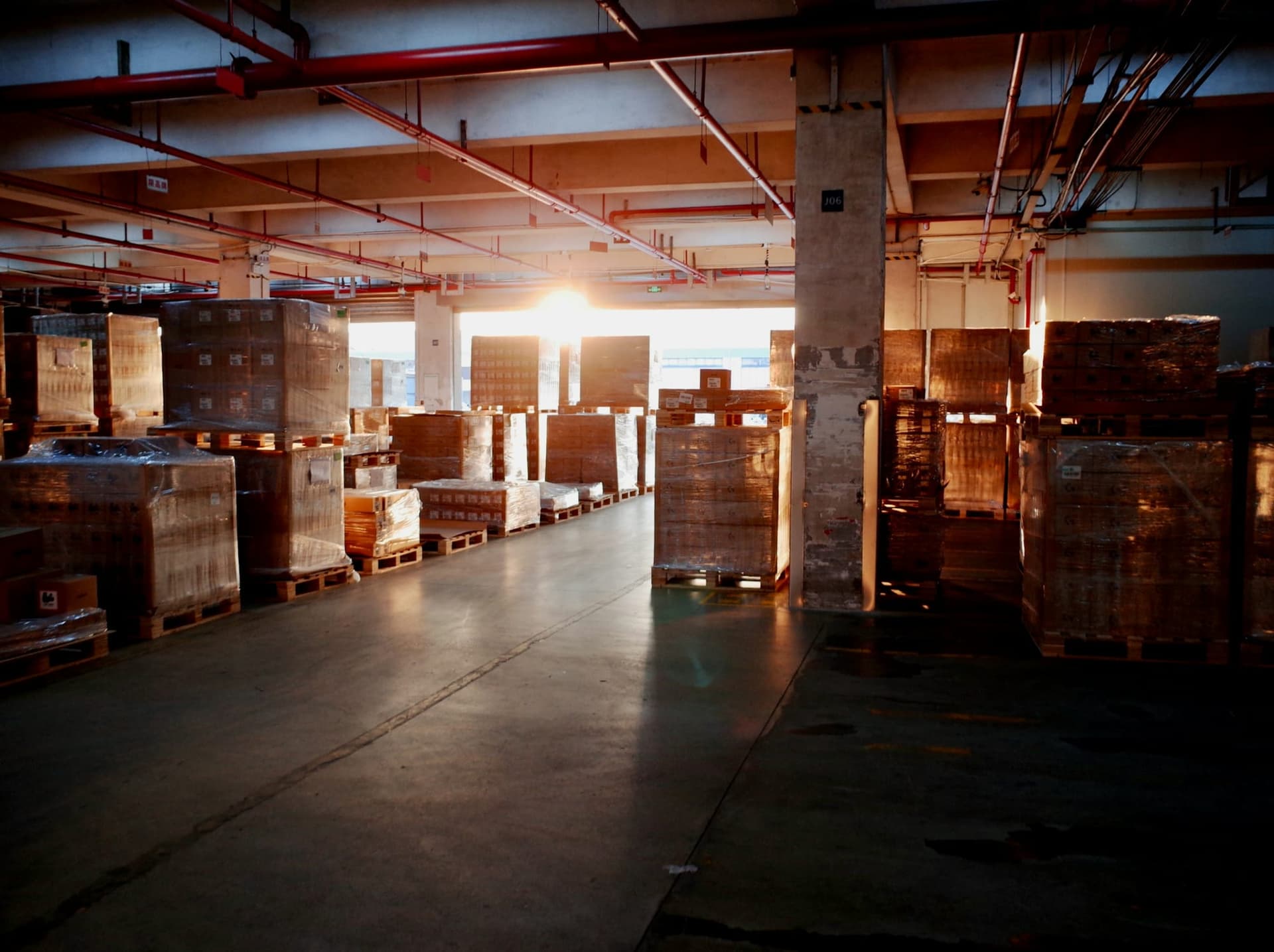
FMCG Consolidation Explained
Combining brands and categories into one planned load, and the carton maths that decides what fits.3 min readRead guide 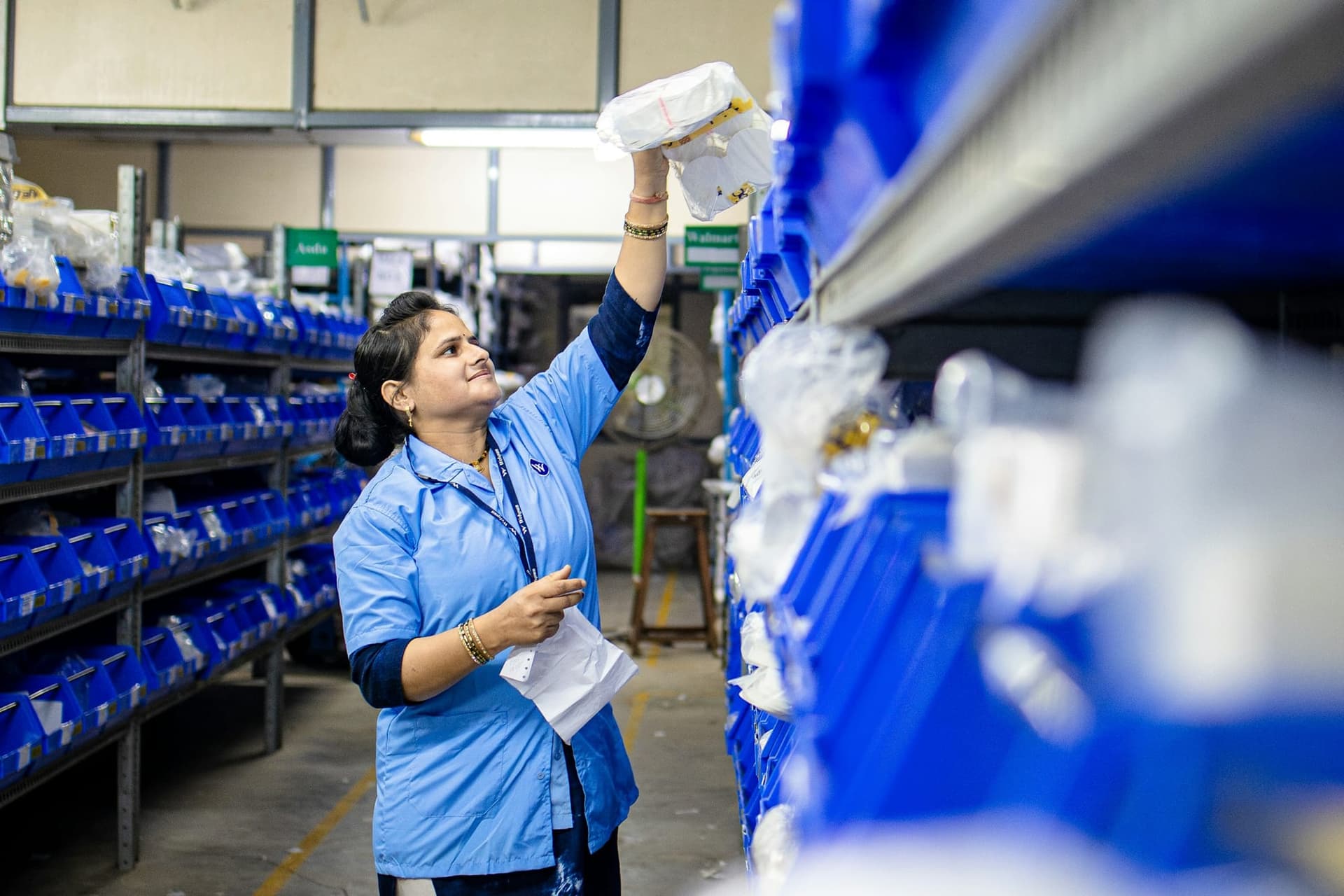 Product Sourcing
How Product Origin Works in FMCG Wholesale
Supplier location is not product origin. How origin is determined per SKU and why it matters.3 min readRead guide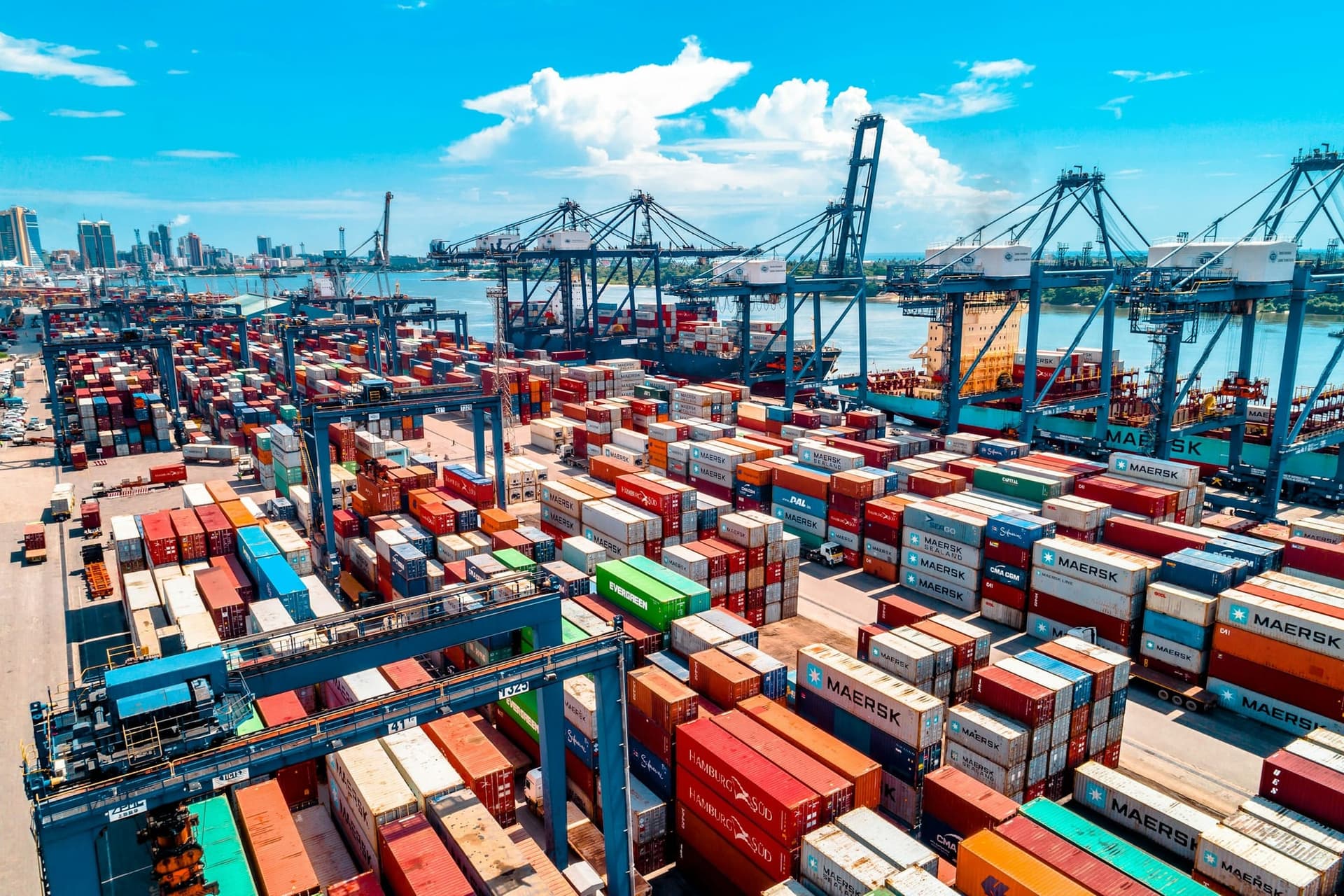 Export
Incoterms for FMCG Buyers
What EXW, FCA, FOB, CFR, CIF and DAP actually change about cost, risk and who arranges what.3 min readRead guide
Questions
Supplying Africa: common questions
- Can I mix different brands and categories in one container?
- Yes — that is the usual format for this region. Food, beverages, confectionery, personal care and home care can be combined into one planned load. Some combinations need care, such as strongly scented home-care products alongside lightly packed food, and different categories can carry different documentation requirements. Send the list and we will confirm what can travel together.
- Can you quote freight to an African port?
- Yes, against a specific assortment and destination. Freight depends on the volume and weight of the actual load, the route and the Incoterm, so it is quoted per shipment rather than published. Naming your discharge port with the enquiry avoids a round of clarification.
- Do all products originate from France?
- No. K.Distribution is based in France, but origin is a property of each product rather than of the supplier. The catalogue includes goods manufactured in France, elsewhere in Europe, and in Asian sourcing markets including Vietnam and Thailand. Where origin matters for duty or import purposes, raise it with the enquiry and we will confirm what we can evidence per line.
- Do you have an office or warehouse in Africa?
- No. K.Distribution operates from Bobigny, France. African markets are destinations we supply and quote to, not locations where we hold stock or maintain a branch.
Product availability, packaging, origin, documentation and destination eligibility can vary by SKU and market. Final requirements are confirmed during quotation and order review.
Source FMCG Products for Your African Market
Send us your required products, quantities and destination country or port. K.Distribution will review availability and prepare a commercial quotation.
K.Distribution supplies from Bobigny, France. Africa markets are destinations we quote and ship to, not locations where we hold stock.